
Abigail Peck, LMSW-C
Holistic psychotherapy provided by a licensed clinical social worker in Traverse City.
Telehealth services available across the state of Michigan.
Please call or email to inquire about availability of services.
Email: therapy@abigailpeck.com
Phone: 231.442.0887
Fax: 231.220.9820
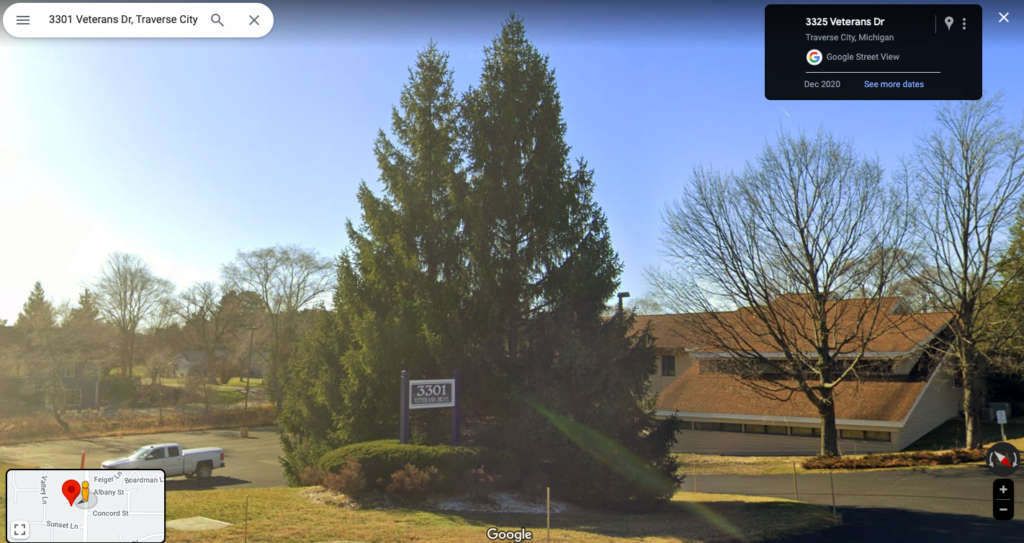
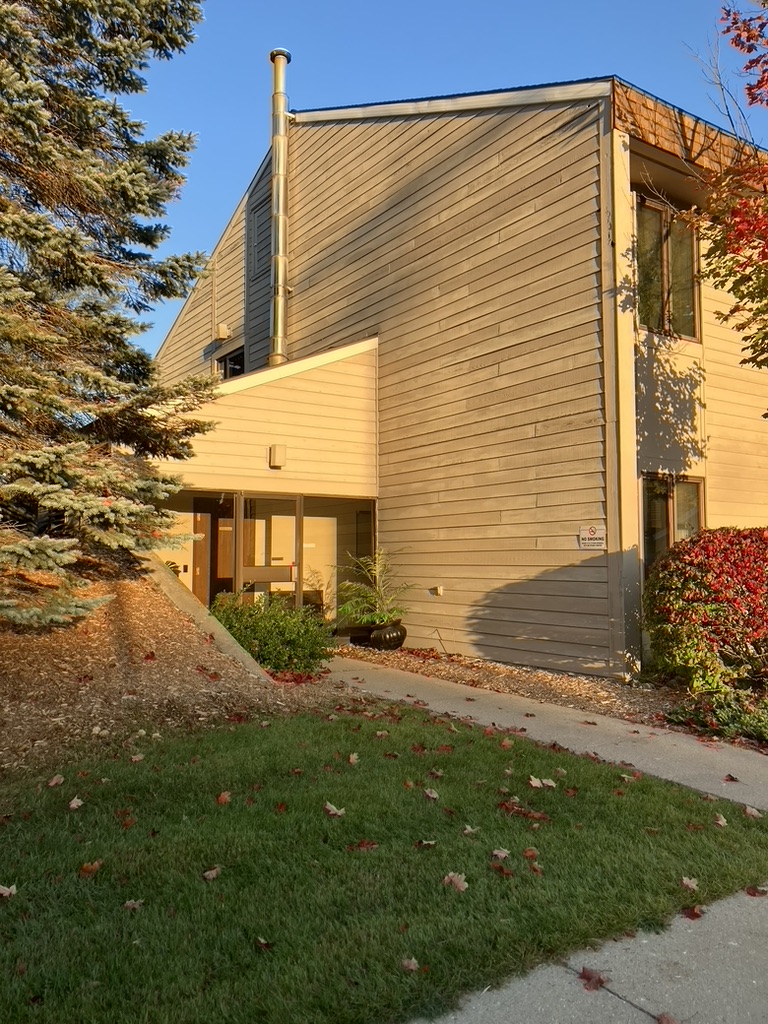
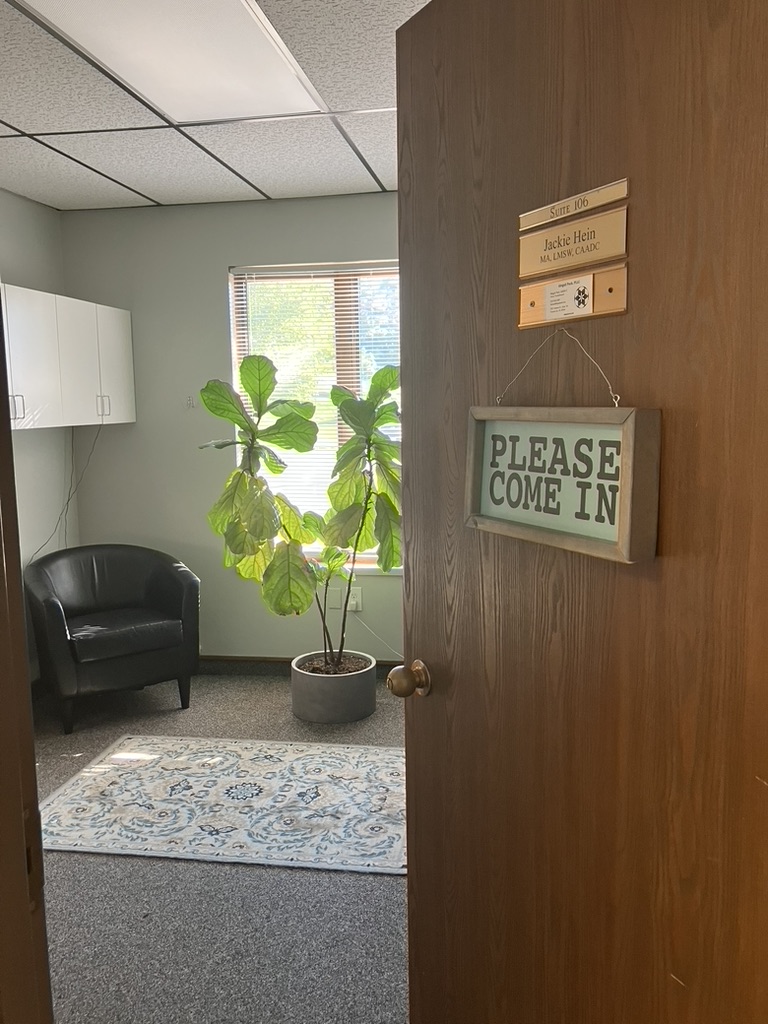
Office Location: 3301 Veterans Drive Ste 106, Traverse City, Michigan, 49684
Clientele – Abby works with persons 18+ experiencing a variety of clinical needs including: anxiety, depression, borderline personality disorder, ADHD, impacts of trauma including PTSD, and adjustments to life transitions. An important priority for Abby is providing a safe therapeutic space for all of her clients, particularly any marginalized persons seeking mental health treatment.
About Abby
Education and Credentials: Abby obtained her Bachelor’s and Master’s degrees from Ferris State University, completing her Master of Social Work (MSW) in 2018. She is a Licensed Clinical Master Social Worker (LMSW-C) in the State of Michigan.
Therapeutic Approach:
- Person-centered – Abby understands that each person is unique in their therapeutic needs and preferences. It is of the utmost importance to her to understand and provide services aligned with your specific needs and preferences.
- Trauma-informed – Abby recognizes the pervasive nature of trauma in our world and how trauma’s impact can vary from person to person. Individuals can present with a range of symptoms following a traumatic event or consistent traumatic occurrences over an extended period, which is often referred to as complex trauma. Only some of these symptoms are included in the diagnosis of PTSD. (van der Kolk, 2000). It is Abby’s aim to provide a therapeutic environment fostering safety, trustworthiness and transparency, regardless of what a person’s diagnosis might be.
- Open-Minded – Abby adopts an open-minded approach to life, as well as her therapeutic practice. The last thing someone should have to worry about when working with a therapist is feeling judged or made to feel ashamed. We are all doing the best we can in this life.
- DBT-informed – Dialectical Behavioral Therapy (DBT) operates “within an overarching dialectical worldview that emphasizes the synthesis of opposites” (Dimeff & Linehan, 2001). What this means is that two seemingly opposing things [thoughts, emotions, ideas, etc] can both be true at the same time. In DBT the primary dialectical situation being approached is balancing acceptance AND change. Abby aims to utilize language incorporating this dialectical world view. For instance rather than stating, “I accept I am this way, BUT I want to change,” one would state “I accept that I am this way, AND I want to change.“
- Internal Family Systems Informed (IFS-Informed) – According to the Internal Family Systems (IFS) Institute, “The IFS Model represents a new synthesis of two already-existing paradigms: systems thinking and the multiplicity of the mind.” Namely, a basic assumption of the IFS model that “It is the nature of the mind to be subdivided into an indeterminate number of sub-personalities or parts.” These parts take on different roles within each of our systems. Moreover, each part has a positive intention for us and there are “no bad parts,” according to Dr. Richard Schwartz, P.hD, the founder of IFS. However, it is common that parts will, at times, take on extreme roles, typically to prevent the system from being negatively impacted by pain or trauma. An additional core assumption of the model is that “Everyone has a Self, and the Self can and should lead the individual’s internal system.” Characteristics of The Self include “The Eight C’s” which are “curiosity, compassion, calm, confidence, creativity, clarity, courage and connectedness.” The primary goals of IFS therapy according to the IFS institute are: (1) “To achieve balance and harmony within the internal system.” (2) “To differentiate and elevate the Self so it can be an effective leader in the system.” (3) “When the Self is in the lead, the parts will provide input to the Self but will respect the leadership and ultimate decision making of the Self.” (4) “All parts will exist and lend talents that reflect their non-extreme intentions.”
Relevant Clinical Training and Experience:
Abby has worked as a psychotherapist since 2019 and has experience working in both private practice and community mental health settings. She is a trained provider of Dialectical Behavioral Therapy (DBT) and offers DBT-informed therapy within her practice. This means she is able to provide DBT skills training in sessions, supporting DBT skills acquisition and generalization. However, a full DBT program (including group sessions and phone coaching, etc) is not available at this time. Additionally, Abby has training in motivational interviewing, TF-CBT, and trauma-informed approaches for substance use-disorder. Furthermore, Abby completed the 6-month IFS Online Circle training from The IFS Institute and offers IFS-informed Therapy.
Additional Tid-Bits:
Abby is a Reiki Master and incorporates this practice into her daily life. She enjoys spending time with family, cooking, gardening, being near bodies of water. Abby considers herself a life-long learner and loves diving into learning about often niche subjects including world religions, issues of human injustice, mythology and history.
Patient Portal access for existing clients:
https://app.therapymate.com/patient/sign_in
Sources
Internal Family Systems Model Outline (2025) The IFS Institute. https://ifs-institute.com/resources/articles/internal-family-systems-model-outline
Dr, Richard Schwartz, Ph.D. The Evolution of Internal Family Systems Model (2025) The IFS Institute. https://ifs-institute.com/resources/articles/evolution-internal-family-systems-model-dr-richard-schwartz-ph-d
Vessel van der Kolk (2000) Posttraumatic stress disorder and the nature of trauma, Dialogues in Clinical Neuroscience, 2:1, 7-22, DOI: 10.31887/DCNS.2000.2.1/bvdkolk
Dimeff, L., & Linehan, M. M. (2001). Dialectical behavior therapy in a nutshell. The California Psychologist, 34(3), 10-13.
Abigail Peck, PLLC